Source Multi Function Electric Baby Toy Train for Play, Learning, and Gifting
Compare 30 listings for the multi function electric baby toy train featuring music, lights, and educational designs. Buyers can evaluate specifications, pricing, and customization options from verified suppliers in Guangdong, China.
Key considerations
Products List
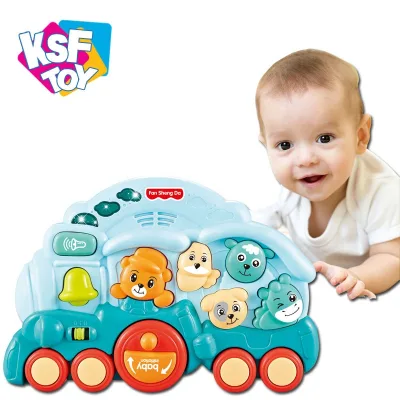
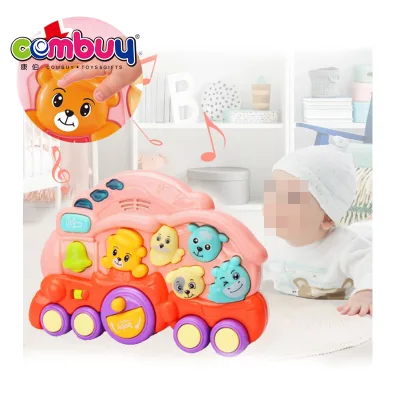
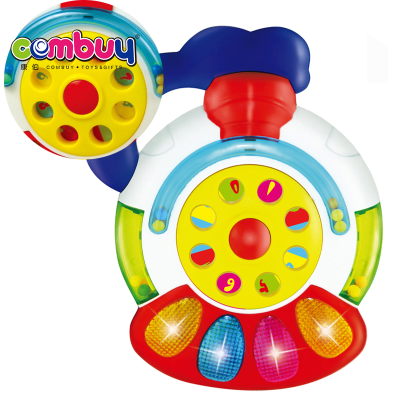




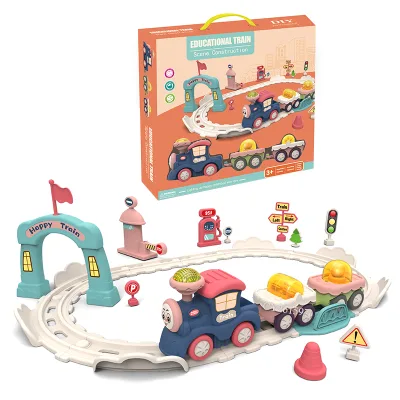
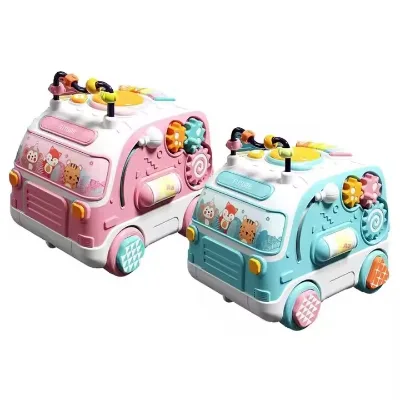
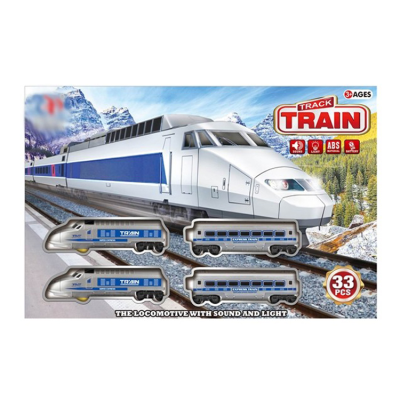


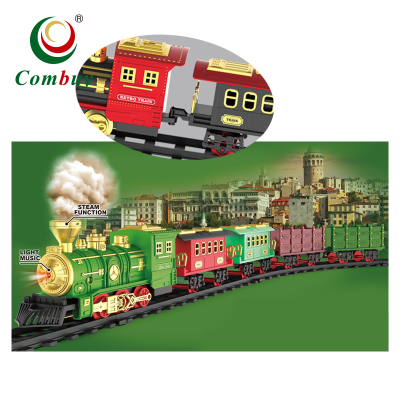


Comprehensive Sourcing Guide
Multi Function Electric Baby Toy Train Sourcing Guide
Sourcing multi-function electric baby toy trains requires a careful balance between engaging features and strict safety compliance. These products are designed to captivate young children through a combination of auditory stimulation, visual lighting, and interactive play, often serving as early educational tools for preschool-aged demographics. Buyers must navigate a market where "electric" can range from small battery-operated units to larger ride-on vehicles, each presenting distinct logistical and regulatory challenges. The core appeal lies in the integration of music, light, and sometimes remote control capabilities, which demand robust internal electronics and durable power sources.
The procurement process is heavily influenced by the specific model number, packaging configuration, and origin of manufacture. Suppliers often provide OEM and ODM services, allowing brands to customize colors, branding, and functional elements to fit their market positioning. However, this customization introduces complexity in quality control and lead time management. Buyers need to establish clear specifications early in the negotiation phase to ensure that the final product aligns with both safety standards and the intended user experience, particularly regarding the age range and gender neutrality of the toy.
Product Scope and Observed Listing Signals
The current market landscape for these toys includes a variety of configurations, from compact single-unit packages to bulk carton shipments designed for retail display. Observed data indicates a wide price range, reflecting differences in material quality, electronic complexity, and packaging sophistication. For instance, some listings highlight specific model numbers like GS383199 or CB724123, which correspond to distinct packaging dimensions and quantities per carton. Understanding these variations is crucial for calculating landed costs accurately, as shipping volume and weight can vary significantly even among similar-looking products.
Key attributes frequently observed include the presence of music and electric lighting functions, which are standard selling points for this category. Colors typically offered are pink and blue, catering to traditional market preferences, though OEM options allow for broader customization. The age range is predominantly targeted at children aged 18 months and older, with some products specifically marketed for the 2 to 4 years demographic. This targeting influences design choices, such as the size of buttons, the volume of sound, and the durability of the plastic materials used in construction.
Technical Specifications to Verify
When evaluating technical specifications, buyers must scrutinize the physical dimensions and weight of both the single unit and the master carton. For example, specific models may have a single package size of 33x22x6.5 cm with a gross weight of 0.670 kg, while the master carton might measure 64x47x72 cm and contain 36 pieces. These metrics directly impact storage requirements and freight costs. Additionally, the CBM (cubic meter) per batch is a critical factor for logistics planning, with observed values ranging from 0.116 to 0.207 depending on the packaging density and unit size.
The power source is another vital technical detail that varies across products. Some units utilize standard batteries, while others, particularly larger ride-on variants, may require lead-acid batteries. This distinction affects not only the initial cost but also the shipping regulations, as lead-acid batteries are classified as hazardous materials for transport. Buyers should also verify the seating capacity for ride-on models, which may support two seats, and check for special features such as story playback, remote control, or realistic car startup sounds, which add value but also increase the complexity of the electronic components.
Compliance and Safety Documentation
Safety compliance is non-negotiable in the baby toy sector, and buyers must ensure that suppliers provide valid certification documents. The EN71 standard is a critical reference point for safety in many markets, and suppliers should be able to produce test reports confirming adherence to these requirements. Without proper certification, products risk being rejected at customs or facing legal liabilities in the event of an accident. Buyers should request these documents upfront and verify their authenticity with the issuing laboratory.
In addition to electrical safety, material safety is paramount. The toys are typically made from plastic, and buyers should inquire about the type of plastic used and its compliance with chemical safety standards. While specific material grades may not always be listed, the presence of certifications like EN71 often implies that the materials have been tested for toxicity and durability. Buyers should also consider the ASTM F963 standard, which is a key safety regulation in the United States, and verify if the supplier’s products meet these requirements for the target export market.
Cost Drivers and Commercial Terms
The cost of multi-function electric baby toy trains is influenced by several factors, including the complexity of the electronic features, the quality of the plastic, and the packaging design. Display boxes are commonly used, which can enhance shelf appeal but may increase packaging costs. The MOQ (Minimum Order Quantity) is another significant commercial term, with observed ranges starting from 1 unit up to 360 units, or specified as 5 cartons. Understanding the MOQ is essential for small buyers who may need to consolidate orders or negotiate flexible terms.
Lead times are also a critical component of the commercial agreement, particularly for OEM orders. Suppliers may indicate delivery times of 25-40 days for customized products, which requires careful planning to align with seasonal demand or promotional campaigns. Buyers should clarify whether these lead times include production, quality control, and shipping, or if they refer only to manufacturing. Additionally, the selling units, whether single items or multiples of 36 or 48, affect the pricing structure and inventory management strategies.
Supplier Qualification and Quality Control
Selecting a reliable supplier involves verifying their capability to deliver consistent quality and meet customization requests. Suppliers offering OEM and ODM services should have a proven track record of handling design changes and maintaining quality standards across different batches. Buyers should request samples to evaluate the build quality, electronic functionality, and safety features before committing to a large order. This step helps identify potential issues with battery life, sound quality, or structural integrity.
Quality control processes should be clearly defined in the purchase agreement. Buyers should inquire about the supplier’s internal QC procedures, including inspection points during production and final random sampling before shipment. Given the electronic nature of these toys, functional testing of the music, lights, and remote control features is essential. Buyers may also consider hiring third-party inspection services to conduct pre-shipment inspections, ensuring that the products meet the agreed-upon specifications and quality standards.
Long-Term Procurement Checks
Establishing a long-term procurement strategy requires ongoing monitoring of supplier performance and market trends. Buyers should regularly review supplier feedback, delivery times, and product quality to ensure continued satisfaction. Building a strong relationship with the supplier can lead to better pricing, priority production slots, and improved support for future orders. Additionally, staying informed about changes in safety regulations and consumer preferences is crucial for maintaining product relevance and compliance.
Continuous improvement in product design and functionality is also important for long-term success. Buyers should provide feedback to suppliers regarding customer reviews and product performance, encouraging innovations that enhance the user experience. This collaborative approach can lead to the development of new features, such as improved battery efficiency or enhanced interactive elements, keeping the product competitive in the evolving baby toy market. Regular audits and communication help maintain a high standard of quality and reliability over time.
FAQs
What certifications do the baby toy trains have?
The products hold EN71 certification for safety compliance. This ensures the toys meet European safety standards for mechanical and chemical properties, making them suitable for export to markets requiring strict regulatory adherence.
What is the minimum order quantity for these toys?
The minimum order quantity is five cartons for standard purchases. Some listings indicate a selling unit of multiple 36 pieces, so buyers should confirm specific carton requirements with the supplier before placing an order.
How long does delivery take for OEM orders?
Delivery time for OEM orders ranges from 25 to 40 days. This lead time accounts for the customization process and production scheduling, so buyers should plan their inventory needs accordingly to avoid stockouts.
Can these toys be customized for branding?
Yes, OEM and ODM customization services are available for these products. Buyers can request specific designs or branding, allowing them to create unique products that align with their specific market requirements and brand identity.
What are the dimensions of the single package?
The single package size is 33 by 22 by 6.5 centimeters. This compact packaging helps optimize shipping space and reduces logistics costs, making it efficient for transporting multiple units in a single container.
Which age groups are these electric trains suitable for?
These toys are designed for children aged 18 months to 4 years. The features include music, lights, and educational elements tailored to early preschool development, ensuring safe and engaging play for toddlers and young children.